
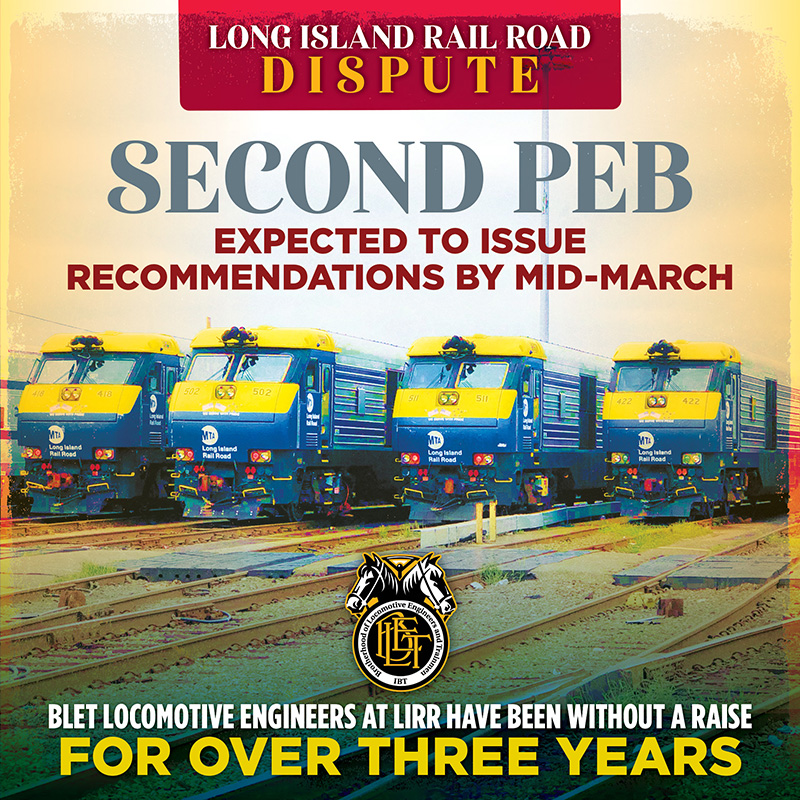
Last week a coalition of five rail unions that includes BLET, representing the majority of unionized workers at the Long Island Rail Road, wrote to the White House to formally request that a second Presidential Emergency Board (PEB) be appointed to resolve a nearly three-year contract dispute with the Metropolitan Transit Authority. The MTA owns and operates the LIRR, America’s busiest commuter railroad.
The Railway Labor Act includes a provision for a second PEB when the disputes involve commuter railroads. The first PEB also was requested by rail labor.
In October, that appointed panel composed of three experts made recommendations which found labor’s position more reasonable than the MTA/LIRR overreach, and the union’s wage proposals a fair reflection of the rising cost of living on Long Island. In its report, the board recommended raises of 14% over four years along with other improvements.
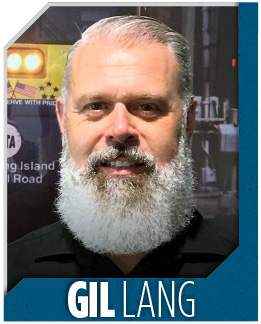 “We felt compelled to request a second PEB because of LIRR and the MTA’s refusal to bargain in good faith,” said Gilman Lang, the BLET General Chairman at the LIRR. “During this entire process the employer has chosen delay, obstruction and political maneuvering over meaningful negotiation and resolution.” No direct negotiations between labor and management have been held since July 2025.
The request to the White House will start a clock ticking. The new PEB will make its report in approximately 60 days, in mid-March. If those recommendations are not accepted or a voluntary settlement isn’t reached over the next two months between LIRR management and the coalition of labor unions, a 60-day cooling off period will begin. Under the rules of the Railway Labor Act, if no settlement is reached at the end of the 60 days in mid-May, the coalition of unions would then be permitted to legally go on strike or MTA could lock out its workers.
“We didn’t agree with everything in the first PEB, Presidential Emergency Board 253, but those recommendations should have been used as the foundation for further negotiations,” said National Vice President of the Transportation Communications Union Nick Peluso. “We are only asking for what’s fair and consistent with agreements reached across the rail industry.”
The Long Island Rail Road Bargaining Coalition includes the Brotherhood of Locomotive Engineers and Trainmen (BLET), the Brotherhood of Railroad Signalmen (BRS), the International Association of Machinists and Aerospace Workers (IAMAW), the International Brotherhood of Electrical Workers (IBEW), and the Transportation Communications Union (TCU).